The Gut-Brain Connection: How Your Digestive System Shapes Your Mood, Focus, and Energy
⏱️ 7 min read
Your gut talks to your brain constantly. Here's the science behind the connection—and the foods that actually improve it.
TL;DR
Your gut produces about 95% of your body's serotonin and communicates with your brain via the vagus nerve. Eating fermented foods, prebiotic fiber, and diverse plants can measurably improve mood and cognitive function within 2-4 weeks. The key: feed your microbiome, not just yourself.
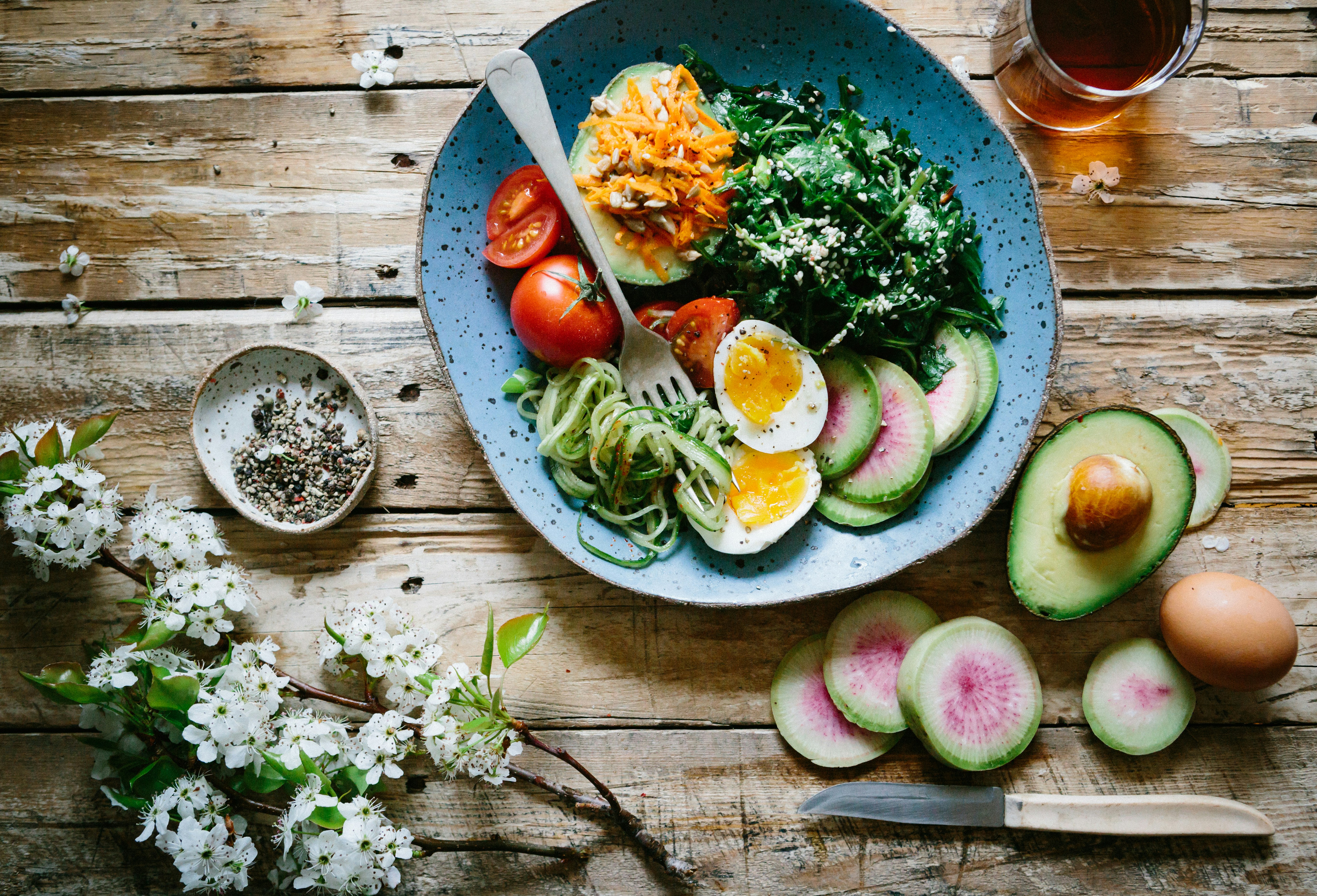
You know that feeling when stress knots your stomach? Or the weird brain fog after a heavy meal? That's not coincidence—it's your gut and brain having a conversation you're only now learning to hear.
For decades, medicine treated the digestive system as a simple processing plant: food in, nutrients absorbed, waste out. But research from the last ten years has revealed something far more interesting. Your gut is basically a second brain, complete with its own nervous system, its own ecosystem of bacteria, and a direct hotline to your skull.
The Vagus Nerve: Your Body's Information Superhighway
The vagus nerve is the longest cranial nerve in your body, running from your brainstem all the way down to your abdomen. Think of it as a two-way street: your brain sends signals to your gut (stress makes you nauseous), and your gut sends signals back (inflammation makes you foggy).
Researchers at UCLA found that stimulating the vagus nerve can reduce depression symptoms. But here's the practical part: you can stimulate it naturally through deep breathing, cold exposure, and—critically—through what you eat.
"The gut is not like a brain—it literally has one. The enteric nervous system contains 500 million neurons, more than your spinal cord." — Dr. Michael Gershon, Columbia University, pioneer of neurogastroenterology
95% of Your Serotonin Lives in Your Gut
Here's a stat that should reframe how you think about mood: roughly 95% of your body's serotonin is produced in the gut, not the brain. Serotonin regulates mood, sleep, appetite, and social behavior. When your gut microbiome is disrupted—by antibiotics, poor diet, chronic stress, or processed foods—serotonin production drops.
This isn't fringe science. A 2024 meta-analysis published in Nature Reviews Neuroscience reviewed 49 studies and found consistent links between gut microbiome diversity and reduced symptoms of anxiety and depression. The effect was strongest when interventions lasted at least 8 weeks.
What Actually Feeds Your Gut-Brain Axis
After reading through the current research, here's what actually moves the needle—and what's mostly marketing.
What Works
- Fermented foods (daily): Yogurt, kefir, sauerkraut, kimchi, miso. A Stanford study found that a high-fermented-food diet increased microbiome diversity and reduced inflammatory markers in just 10 weeks.
- Prebiotic fiber: Garlic, onions, leeks, asparagus, bananas, oats. These feed the beneficial bacteria already living in your gut. Aim for 30+ different plant foods per week—the number that came up repeatedly in gut diversity research.
- Polyphenol-rich foods: Berries, dark chocolate, green tea, olive oil. Polyphenols act as fuel for good bacteria and have anti-inflammatory effects.
- Omega-3 fatty acids: Fatty fish, walnuts, flaxseed. They support the gut lining and reduce neuroinflammation.
What Doesn't (Despite the Hype)
- Most probiotic supplements: The strains in a pill rarely colonize your gut permanently. Food-based sources are significantly more effective.
- "Detox" teas and cleanses: Your liver and kidneys already handle detoxification. These products often irritate the gut lining.
- Eliminating entire food groups without reason: Cutting gluten, dairy, or carbs when you don't have an intolerance often reduces microbiome diversity—the opposite of what you want.
The 2-Week Gut Reset (Without the Gimmicks)
If you want to test this on yourself, here's a simple protocol:
Week 1-2:
- Add one fermented food per day (even a few tablespoons of sauerkraut counts)
- Eat 30+ different plants across the week (herbs and spices count)
- Reduce ultra-processed food to under 20% of your intake
- Drink water before coffee in the morning
- Take a 10-minute walk after your largest meal
Boldly Balance research shows that people who follow this protocol consistently report improved energy and mental clarity within 14 days. The changes aren't dramatic—they're subtle. You wake up slightly more rested. The afternoon fog lifts a bit. Your mood stabilizes. Small shifts, compounding over time.
When to See a Doctor
This stuff works for general optimization, but persistent digestive issues, unexplained weight changes, blood in stool, or severe mood disorders warrant actual medical attention. The gut-brain connection is real, but it's not a replacement for professional care when you need it.
The Bottom Line
Your gut and brain are in constant communication, and what you feed one directly affects the other. The science is clear enough now that ignoring your microbiome is like ignoring sleep—it'll catch up with you.
The good news: you don't need supplements, expensive tests, or a complete diet overhaul. More plants, some fermented foods, less processed stuff, and a bit of patience. Your gut bacteria will do the rest.